
Lens · BRICS
The BRICS Summit in Rio: Ankara’s Multilateral Diplomacy and Strategic Opening
A look at the 17th BRICS Summit in Rio, Türkiye’s participation and the strategic opening of Ankara’s multilateral diplomacy.
 6 July 20262 min read
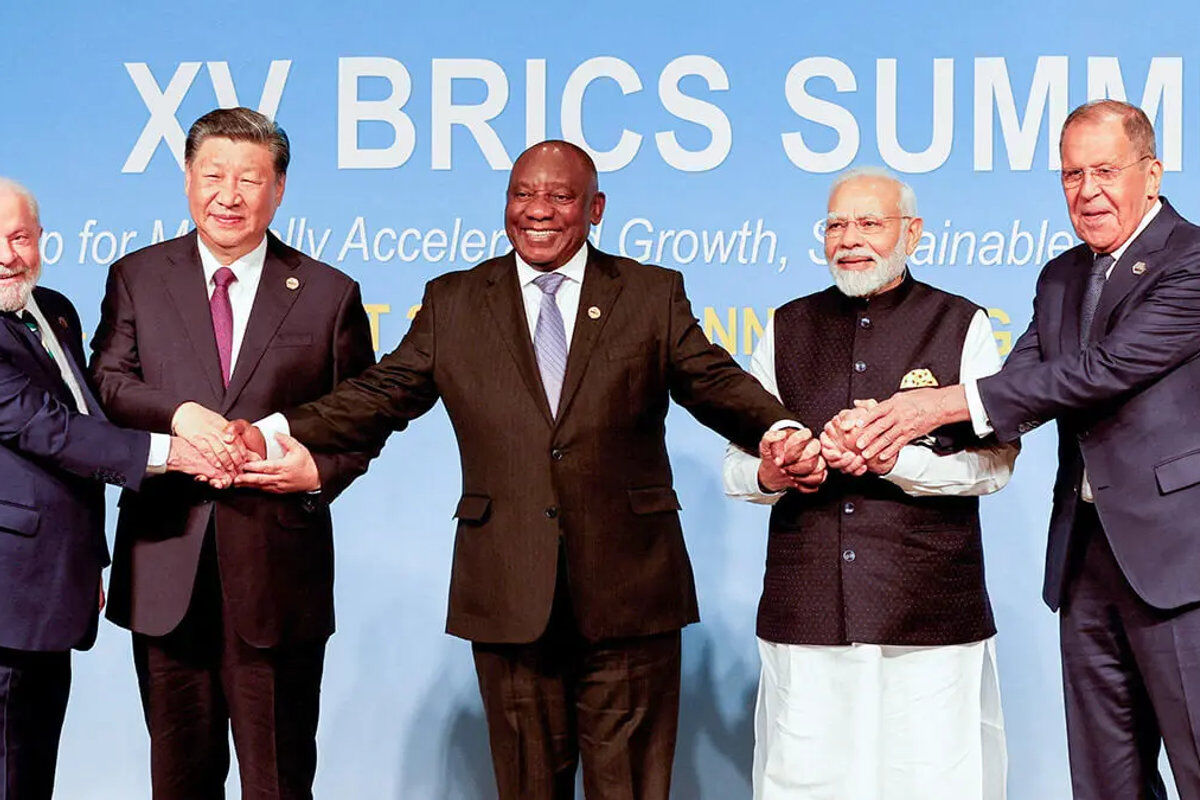
BRICS leaders gathered in Rio de Janeiro on 6–7 July under the theme “Strengthening Global South cooperation for more inclusive and sustainable governance”. At the summit, the leaders reaffirmed their commitment to the principles of mutual respect, sovereign equality, solidarity and consensus. They also pledged to strengthen cooperation in the political, security, economic, financial, cultural and humanitarian fields within the enlarged BRICS framework. Beyond this, the BRICS leaders also took up highly sensitive geopolitical files in their discussions, including the attacks on Iran, the humanitarian catastrophe in Gaza and the tariffs imposed by US President Donald Trump.
Two notable absences in Rio
While China was represented at the summit only at the level of its Premier, Russia took part by video message owing to the arrest warrant issued against its President. By contrast, this was the first BRICS summit that Indonesia attended as a full member. Belarus, Bolivia, Kazakhstan, Cuba, Nigeria, Malaysia, Thailand, Vietnam, Uganda and Uzbekistan were meanwhile granted the status of BRICS partner countries.
Türkiye’s participation
In a statement, the Ministry of Foreign Affairs of the Republic of Türkiye announced that Foreign Minister Hakan Fidan had attended the 17th BRICS Summit on behalf of President Recep Tayyip Erdoğan. Hakan Fidan stressed that Türkiye’s interest in BRICS membership remains undiminished, describing it as an important element of the country’s multilateral and geostrategic foreign policy.
Fidan said that this orientation on Türkiye’s part is a continuation of a diplomatic line that seeks to diversify its alliances and strengthen its role in a multipolar world. At the same time, Türkiye continues to maintain its ties with the West. Within this framework, interest in BRICS is presented as a complementary strategic option, particularly in the face of the lack of progress in accession negotiations with the European Union. On the margins of the summit, Hakan Fidan held bilateral talks with counterparts from various countries and with the Secretary-General of the United Nations.
Noting that the BRICS platform had been productive, Hakan Fidan stressed that international organisations must become more responsive to the inequalities emerging in the fields of technology, climate and health. Turning to the situation in Gaza, Fidan condemned in the harshest terms the crimes committed against the civilian population.
This article was first published in French on 13 August 2025 on Eurasiapeace. It was translated from the original into Turkish by Eren Gökdemir.